FAQ — White Buffalo Jewelry FAQ
Find answers to common questions about our products and services.
Browse by topic:
« All topics
Agate Jewelry FAQ – Collector’s Guide (7)
Authentic Native American Turquoise Buckles: FAQ Guide (8)
Authenticity & Quality (4)
Care & Cleaning (3)
Custom Orders & Vintage (2)
Genuine Turquoise Bracelets FAQ (6)
Genuine Turquoise Jewelry FAQ (7)
Guide to Authentic Native American Toe Rings (2)
Handmade Silver: Authenticity in Native American Jewelry (9)
Hopi Artist Jewelry FAQ (7)
Hopi Overlay FAQ (7)
Hopi Overlay Pendants FAQ: Craftsmanship & History (7)
Hopi Watches FAQ (8)
Kewa Jewelry Authenticity FAQ (7)
Kewa Shell Necklaces: Understanding Kewa Pueblo Craftsmanship (7)
Kingman Turquoise FAQ – Native American Gemstone (7)
Lapis Lazuli Bracelets FAQ (7)
Materials & Craftsmanship (3)
Native American Silver Jewelry FAQs (7)
Natural Turquoise Rings FAQ (7)
Navajo Sand Cast Sterling Silver Jewelry FAQ (8)
Navajo Turquoise Buckles FAQ (6)
Navajo and Zuni Turquoise Cluster Ring FAQ (8)
Order Management (3)
Payment & Pricing (3)
Pueblo Handmade Pottery FAQ (7)
Returns & Refunds (3)
Sand Cast Jewelry FAQ (7)
Shipping & Delivery (3)
Silver Buckles FAQ – Identification, Care, and Collecting (7)
Silver Stamping in Native American Jewelry: Complete FAQ Guide (8)
Sizing & Fit (5)
Sterling Silver Jewelry FAQ – Expert Answers (6)
Sterling Silver Overlay Earrings: Technique, Identification, and (7)
Turquoise Bracelets: An Authentic Guide to Native American Craft (9)
Turquoise Bracelets: Native American Craft (5)
Turquoise Cuffs FAQ: Authenticity, Styles & Care Guide (7)
White Buffalo Jewelry FAQ (7)
Wholesale & Appraisal (3)
Zuni Jewelry Authenticity: Identification & Lapidary FAQ (3)
Zuni Mosaic Inlay FAQ (7)
general (16)
The white buffalo is a rare and sacred symbol in many Plains cultures, representing spiritual renewal, abundance, and a connection to the Creator. Its rarity in nature translates to a sense of uniqueness and reverence when rendered in jewelry.
Historical accounts associate the white buffalo with Lakota, Dakota, and Nakota peoples of the Great Plains. While contemporary artists from other nations may also incorporate the motif, its traditional roots are most strongly linked to these tribes.
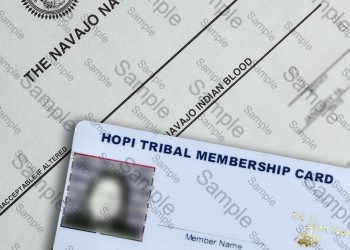
Authenticity is evaluated through multiple factors: a documented tribal affiliation or artist signature, a .925 sterling silver stamp, reputable provenance, and a hallmark that matches the maker’s known style. LomaSiiva works with verified artisans and provides provenance information whenever available. For more about our authentication standards, see our About us at LomaSiiva page.
Most authentic pieces are crafted in sterling silver or gold‑filled settings. The motif may be inlaid with natural turquoise, coral, or other stones, but the metalwork is the primary carrier of the design.
Mass‑produced cast items often lack artist signatures, tribal affiliation, and the .925 stamp, and they may be marketed simply as “Native American style.” Beware of listings that use generic terms without provenance or that describe the piece as “authentic” based solely on a silver appearance.
Clean silver gently with a soft cloth; avoid abrasive cleaners or chemicals that can damage stone inlays. Store each item separately in a soft pouch to prevent scratching, and keep pieces away from moisture for extended periods.
Begin with reputable sources that provide clear documentation. Explore our curated categories such as Bracelets, Earrings, and Native American Necklaces & Pendants to find pieces that match your aesthetic and budget. Building a collection slowly with well‑documented items ensures both enjoyment and long‑term value.