FAQ — Sterling Silver Overlay Earrings: Technique, Identification, and
Find answers to common questions about our products and services.
Browse by topic:
« All topics
Authentic Native American Turquoise Buckles: FAQ Guide (8)
Authenticity & Quality (4)
Care & Cleaning (3)
Custom Orders & Vintage (2)
Guide to Authentic Native American Toe Rings (2)
Handmade Silver: Authenticity in Native American Jewelry (9)
Hopi Overlay Pendants FAQ: Craftsmanship & History (7)
Kewa Shell Necklaces: Understanding Kewa Pueblo Craftsmanship (7)
Materials & Craftsmanship (3)
Navajo Sand Cast Sterling Silver Jewelry FAQ (8)
Order Management (3)
Payment & Pricing (3)
Returns & Refunds (3)
Sand Cast Jewelry FAQ (7)
Shipping & Delivery (3)
Silver Stamping in Native American Jewelry: Complete FAQ Guide (8)
Sizing & Fit (5)
Sterling Silver Overlay Earrings: Technique, Identification, and (7)
Turquoise Bracelets: An Authentic Guide to Native American Craft (9)
Turquoise Cuffs FAQ: Authenticity, Styles & Care Guide (7)
Wholesale & Appraisal (3)
Zuni Jewelry Authenticity: Identification & Lapidary FAQ (3)
general (16)
An overlay earring is a piece where a thin sheet of metal—usually sterling silver—is crafted into a design and then fused onto a thicker base plate. The result is a raised motif that appears three‑dimensional while remaining lightweight.
Artisans first shape the base, then cut or stamp the decorative overlay. The two components are aligned and soldered together using a low‑temperature alloy, ensuring the overlay adheres without compromising the base’s structural integrity.
Authenticity is confirmed through multiple clues: a documented artist signature, a .925 sterling silver stamp on both layers, and provenance paperwork. LomaSiiva’s catalog lists each piece with its maker’s name when available, and many items are marked as certified authentic by the seller.
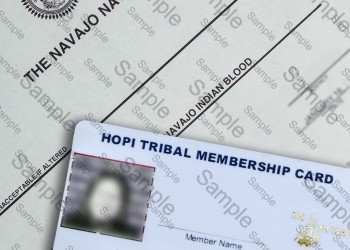
Look for a clear .925 stamp, the artist’s full name or recognized hallmark, and any tribal enrollment numbers if the maker is an enrolled Indian artisan. Details about the maker can often be found on the product page within the About Us section.
The soldered joint is strong, but the raised design can catch on fabrics. Clean with a soft, lint‑free cloth and mild silver polish; avoid abrasive pads. Store earrings separately in a pouch or on a padded tray to protect the overlay.
While sterling silver (.925) is the most common metal for both base and overlay, some artists incorporate gold‑filled or copper components. For examples of sterling silver overlay work, browse the Navajo Jewelry collection.
LomaSiiva’s online showroom includes a range of overlay pieces, from classic squash‑blossom styles to contemporary motifs. Explore the full selection in All Products or view specific items such as the Handmade Navajo .925 Sterling Silver Turquoise Stud Earrings and the 12kt Gold Filled and .925 Sterling Silver Kokopelli Handmade Navajo Dangle Native American Earrings.