FAQ — Sterling Silver Jewelry FAQ – Expert Answers
Find answers to common questions about our products and services.
Browse by topic:
« All topics
Agate Jewelry FAQ – Collector’s Guide (7)
Authentic Native American Turquoise Buckles: FAQ Guide (8)
Authenticity & Quality (4)
Care & Cleaning (3)
Custom Orders & Vintage (2)
Genuine Turquoise Bracelets FAQ (6)
Genuine Turquoise Jewelry FAQ (7)
Guide to Authentic Native American Toe Rings (2)
Handmade Silver: Authenticity in Native American Jewelry (9)
Hopi Artist Jewelry FAQ (7)
Hopi Overlay FAQ (7)
Hopi Overlay Pendants FAQ: Craftsmanship & History (7)
Hopi Watches FAQ (8)
Kewa Jewelry Authenticity FAQ (7)
Kewa Shell Necklaces: Understanding Kewa Pueblo Craftsmanship (7)
Kingman Turquoise FAQ – Native American Gemstone (7)
Lapis Lazuli Bracelets FAQ (7)
Materials & Craftsmanship (3)
Native American Silver Jewelry FAQs (7)
Natural Turquoise Rings FAQ (7)
Navajo Sand Cast Sterling Silver Jewelry FAQ (8)
Navajo Turquoise Buckles FAQ (6)
Navajo and Zuni Turquoise Cluster Ring FAQ (8)
Order Management (3)
Payment & Pricing (3)
Pueblo Handmade Pottery FAQ (7)
Returns & Refunds (3)
Sand Cast Jewelry FAQ (7)
Shipping & Delivery (3)
Silver Buckles FAQ – Identification, Care, and Collecting (7)
Silver Stamping in Native American Jewelry: Complete FAQ Guide (8)
Sizing & Fit (5)
Sterling Silver Jewelry FAQ – Expert Answers (6)
Sterling Silver Overlay Earrings: Technique, Identification, and (7)
Turquoise Bracelets: An Authentic Guide to Native American Craft (9)
Turquoise Bracelets: Native American Craft (5)
Turquoise Cuffs FAQ: Authenticity, Styles & Care Guide (7)
White Buffalo Jewelry FAQ (7)
Wholesale & Appraisal (3)
Zuni Jewelry Authenticity: Identification & Lapidary FAQ (3)
Zuni Mosaic Inlay FAQ (7)
general (16)
Authentic sterling silver contains exactly .925 fine silver mixed with copper, giving it durability and a bright finish. The .925 stamp is the primary indicator, but a reputable dealer will also provide provenance and artist information. Explore the broader Jewelry collection to see how different pieces showcase this alloy.
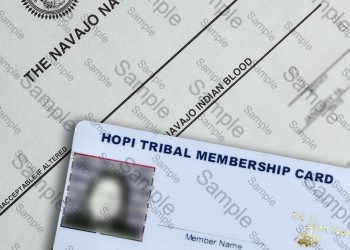
Identification relies on a combination of evidence: documented artist signatures, tribal affiliation, hallmarks, and provenance records. Trusted sellers, such as Authentic Native American Pendants and the All Products catalog, provide detailed certificates that support authenticity.
Artists employ forging, hand‑hammering, and lost‑wax casting to shape the metal. Stone setting techniques—such as channel, bezel, and inlay—vary by tribe. For instance, Hopi silversmiths are renowned for overlay work, while Zuni pieces often feature intricate inlays. Browse Bracelets and Earrings to see these methods in practice.
Clean with a soft, lint‑free cloth and mild soap; avoid abrasive cleaners and harsh chemicals. Store each item separately to prevent scratching, and consider professional polishing for heavily oxidized pieces. The Repair service can restore finish and reset stones when needed.
Natural stones such as turquoise, coral, or amethyst set by the artist add cultural and monetary value, especially when the setting technique is traditional. Stabilized or treated stones are less valuable but still beautiful. A clear example is the Navajo Natural Turquoise Adjustable Wrap Bracelet, where the stone’s origin and setting method are documented.
Verify the seller’s reputation, request provenance documentation, and confirm the presence of hallmarks. At LomaSiiva we provide detailed artist bios and certificates for each piece, helping collectors make informed decisions. Reviewing the full Native American Rings collection can also illustrate the range of authentic craftsmanship available.