FAQ — Handmade Silver: Authenticity in Native American Jewelry
Find answers to common questions about our products and services.
Browse by topic:
« All topics
Authentic Native American Turquoise Buckles: FAQ Guide (8)
Authenticity & Quality (4)
Care & Cleaning (3)
Custom Orders & Vintage (2)
Guide to Authentic Native American Toe Rings (2)
Handmade Silver: Authenticity in Native American Jewelry (9)
Hopi Overlay Pendants FAQ: Craftsmanship & History (7)
Kewa Shell Necklaces: Understanding Kewa Pueblo Craftsmanship (7)
Materials & Craftsmanship (3)
Navajo Sand Cast Sterling Silver Jewelry FAQ (8)
Order Management (3)
Payment & Pricing (3)
Returns & Refunds (3)
Sand Cast Jewelry FAQ (7)
Shipping & Delivery (3)
Silver Stamping in Native American Jewelry: Complete FAQ Guide (8)
Sizing & Fit (5)
Sterling Silver Overlay Earrings: Technique, Identification, and (7)
Turquoise Bracelets: An Authentic Guide to Native American Craft (9)
Turquoise Cuffs FAQ: Authenticity, Styles & Care Guide (7)
Wholesale & Appraisal (3)
Zuni Jewelry Authenticity: Identification & Lapidary FAQ (3)
general (16)
For Native American silver jewelry to be legitimately considered "handmade," the primary silverwork and artistic design must be executed by a Native American artisan. This includes processes like forming the metal, applying decorative elements, and setting stones. It is important to understand that legitimate handmade pieces may incorporate commercially manufactured components, such as earring posts, clasps, bolo cords, or watch movements. The key is that the significant artistic effort and transformation of the raw materials into the finished piece originate from the artist's hands and skill, rather than being assembled from pre-fabricated, mass-produced silver elements. LomaSiiva ensures that our Jewelry adheres to these standards.
The most common type of silver used in contemporary Native American jewelry is sterling silver, which is 92.5% pure silver and 7.5% other metals, typically copper, to increase its durability. Historically, artists also worked with coin silver (often 90% silver) and ingot silver, which was melted down from silver coins or raw silver bars and then hand-wrought. The choice of silver can sometimes indicate the age or traditional methods employed in a piece. Many exquisite Bracelets and other items feature sterling silver.
Native American silversmiths utilize a rich array of techniques. Among the most prominent are: stamping, where designs are impressed into the silver using hand-carved dies; overlay, a Hopi technique involving two layers of silver with the top layer cut out to reveal an oxidized bottom layer; tufa casting, a Navajo method where molten silver is poured into molds carved from volcanic tufa stone; repoussé, hammering from the reverse side to create raised designs; and various forms of stone setting, including bezel setting, channel inlay, and mosaic inlay. These methods contribute to the distinctive styles found in Native American Rings and Authentic Native American Pendants.
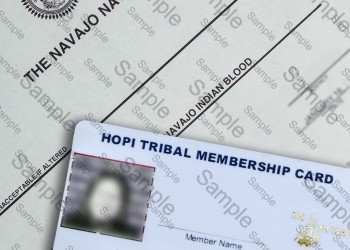
Identifying genuine handmade Native American silver involves evaluating multiple pieces of evidence. Look for artist signatures or hallmarks, which are often stamped into the silver. Examine the workmanship for the quality of soldering, stone setting, and finishing—handmade pieces typically show attention to detail that mass-produced items lack. Provenance, or the history of ownership, can also be a strong indicator. Most importantly, ensure the seller can verify the artist's tribal affiliation and status as an Indian artisan, as mandated by the Indian Arts and Crafts Act. LomaSiiva provides detailed information for all our All Products, such as the Handmade Navajo .925 Sterling Silver Turquoise Squash Blossom Native American Necklace and Earrings Set Ray Begay 15740-17659, to ensure transparency.
No, not necessarily. As discussed, a piece can be legitimately handmade even if it incorporates some commercially manufactured components. The critical factor is that the artist performs the significant work of shaping the raw silver and assembling the piece, rather than merely attaching pre-made silver components. For example, a pair of Earrings with handmade silver bezels and stone settings will often use commercial sterling silver ear wires. This practice is standard and does not diminish the handmade status of the artwork.
Different Native American tribes have developed distinct styles and techniques in their silverwork. For instance, Navajo Jewelry is renowned for its heavy-gauge silver, stamping, and intricate stone settings, often featuring large turquoise stones. Hopi artists are celebrated for their silver overlay technique, which creates striking contrasts and symbolic imagery. Zuni artists are masters of inlay work, including channel, petit point, and needlepoint settings, often with multiple small stones. These traditions inform the aesthetic and construction of pieces like Bolo Ties and reflect the cultural heritage of the artists, such as the Eagle Sterling Silver Hopi Handmade Pendant 15919.
The value of handmade silver jewelry is influenced by several factors: the artist's reputation and skill, the rarity and quality of the materials (such as natural turquoise), the complexity and execution of the design, the age or vintage of the piece, and its overall condition. Pieces by acclaimed artists, those featuring rare stones, or items demonstrating exceptional craftsmanship often command higher value. For collectors, understanding these elements is crucial for appreciating the investment in pieces like the Navajo Native American Natural Turquoise and AMETHYST Adjustable Wrap Bracelet 12739-1.
To preserve the beauty and integrity of your handmade silver jewelry, store it in a cool, dry place, ideally in an airtight bag or jewelry box to prevent tarnishing. Avoid exposing it to harsh chemicals, perfumes, or lotions. Clean silver gently with a soft polishing cloth specifically designed for jewelry. For pieces with stones, use a soft brush and mild soap, ensuring not to immerse porous stones like turquoise in water for extended periods. Regular, gentle care will help maintain the luster of your treasured pieces, including items like the .925 Sterling Silver Handmade Navajo Turquoise Stud Earrings 27104-4.
Many Native American silversmiths use a personal hallmark or signature to identify their work. These can range from initials, symbols, or full names. While a ".925" stamp indicates sterling silver, it does not, by itself, confirm Native American origin or handmade status. Some tribal organizations or guilds also use specific marks. It is crucial to research and understand the hallmarks associated with known artists and tribes. When considering a piece like the 12kt Gold Filled and .925 Sterling Silver Kokopelli Handmade Navajo Dangle Native American Earrings 24499, LomaSiiva always strives to provide comprehensive artist and hallmark information when available.